
How Omnichannel Analytics Connects the Customer Journey
Learn what omnichannel analytics is, why it matters, and how connected insights across channels improve customer understanding, engagement, and decision-making.
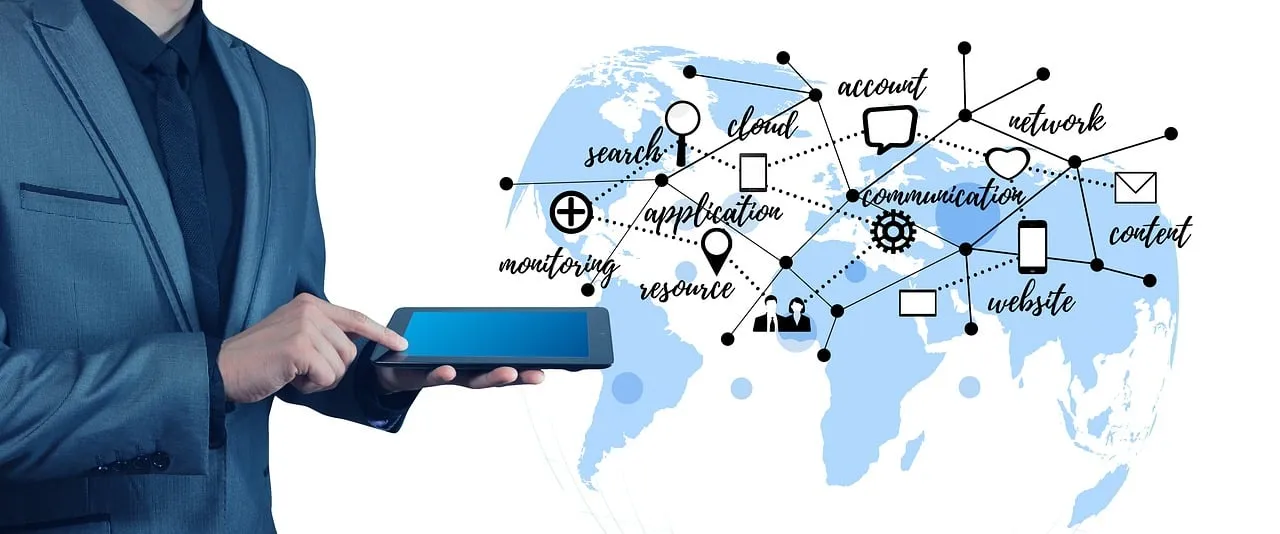

Today's customers interact with brands across a variety of online and offline channels. They might discover a brand on social media, compare options on a laptop, open a promotional email a few days later, and complete the purchase through a mobile app. Without a proper omnichannel analytics strategy, each of those steps is leaving valuable customer data behind.
Omnichannel analytics brings those moments together, providing teams with a deeper understanding of how people actually engage across channels and how they can enhance their marketing campaigns.
Key takeaways
- Omnichannel analytics connects customer data to reveal how interactions unfold across the full customer journey.
- A connected view of omnichannel data helps teams create a more consistent and relevant customer experience.
- Clear insights across channels enhance customer engagement strategies and improve decision-making.
- Unified analytics makes it easier to understand behavior, identify opportunities, and act with purpose across touchpoints.
What is omnichannel analytics?
Omnichannel analytics is the process of analyzing customer interactions across channels to understand how people engage with a brand over time. The process focuses on customer behavior as it unfolds across the entire customer journey, rather than measuring each touchpoint in isolation.
Omnichannel analytics connects data from online and offline sources, including websites, mobile apps, emails, and physical stores. Viewing all cross-channel data together enables marketing teams to uncover customer insights into how engagement builds, where interest drops, and what influences decisions. Omnichannel analytics allows organizations to transition from fragmented reporting to a connected understanding of how customers experience a brand at every stage.
Why is omnichannel analytics important?
Modern customers engage with brands through multiple channels, often switching between devices and platforms without hesitation. A survey done by Uniform Market found that 73% of today's shoppers use multiple channels when making a purchase. A single experience might include social media discovery, mobile app usage, and follow-up actions on a desktop or in physical stores. Omnichannel analytics helps organizations track customer interactions across these touchpoints and understand how they connect throughout the customer journey.
This level of visibility is especially important as more people become multiple device owners. Without connected analytics, revealing customer behavior becomes far more difficult because insights remain fragmented across disconnected systems.
Key aspects of the omnichannel analytics framework
All omnichannel analytics solutions rely on a few key components. These include:
Data integration
Data integration is a central aspect of omnichannel analytics as it determines how information comes together. Customer data often lives in many places, including customer service records, social media activity, and digital interactions. Bringing these sources into a shared environment, such as a data warehouse, makes analyzing data more accurate.
Customizable dashboards
Customizable dashboards help teams make sense of omnichannel analytics without digging through raw data. They present customer data in flexible views that reflect how different teams work and what they need to monitor. Because the information behind the dashboards is already connected, changes in user behavior become easier to spot across channels, not just within a single source.
Detailed reporting
Reporting features examine patterns and performance. Reports use customer data and predictive analytics to compare activity across channels and understand how user behavior changes.
The benefits of omnichannel analytics
Omnichannel analytics reveals value that often stays hidden when channels are analyzed separately. Connected omnichannel insights reveal how marketing efforts influence real experiences and how those moments shape customer satisfaction over time.
The benefits of omnichannel analytics include:
Unified customer view
A unified customer view is one of the clearest benefits of omnichannel analytics. Customer interactions from multiple channels are connected into a single perspective, making customer behavior easier to understand over time. With omnichannel data brought together, teams can see how customer preferences shift, instead of relying on disconnected touchpoints.
Workflow automation and enhanced operational efficiency
Workflow automation becomes more effective when implementing omnichannel analytics because integrating data across channels reduces manual handoffs and delays. With connected insights flowing into business intelligence tools, teams can respond to changes in customer behavior more efficiently and plan actions around real engagement patterns.
Improved customer experience
A connected view of engagement makes the customer experience feel more intentional. Omnichannel analytics helps teams understand how marketing campaigns, social media activity, and other interactions shape the omnichannel customer experience, revealing customer pain points that otherwise go unnoticed. Addressing those gaps leads to smoother interactions and stronger customer satisfaction across every touchpoint.
Data-driven decision-making
Data-driven decision-making becomes more reliable with access to omnichannel data. Customer journey analytics provide context around how actions connect across touchpoints, helping teams align decisions with a broader omnichannel strategy. With clearer visibility into performance and behavior, organizations can measure success more accurately and adjust direction with greater confidence.
Reduced data silos
Omnichannel analytics helps with overcoming data silos by connecting information that would otherwise remain isolated. This shared view improves visibility and makes insights easier for teams to use.
Increased customer retention
Omnichannel analytics reveals how ongoing customer interactions influence long-term engagement. Connecting customer conversations across touchpoints makes customer engagement easier to understand and highlights the behaviors that drive customer loyalty and customer lifetime value.
Comprehensive view of customer journey
A comprehensive view of the customer journey brings individual interactions into context. Omnichannel analytics connects touchpoints across channels, making it easier to see how actions build, pause, or change over time.
The process of implementing omnichannel analytics
Implementing omnichannel analytics involves more than turning on a new tool. It requires a clear approach to how data is collected, connected, and used across teams. Each step in the process builds on the last, helping organizations move from scattered information to insights that reflect how customers actually engage across channels.
1. Define goals and key performance indicators
Start by deciding what omnichannel analytics should help achieve. Clear goals guide which customer behaviors deserve attention, and key metrics determine how progress will be evaluated.
2. Choose analytics tools
Analytics tools shape how insights are collected and shared. Many teams use a mix of internal systems and third-party platforms, so choosing tools that connect data across channels helps avoid new gaps and keeps analysis consistent.
3. Gather data
The next step is to collect data from every relevant channel and system. This includes marketing data, behavioral signals, and any data generated through customer interactions. Bringing these inputs together creates a more complete picture of engagement and ensures analysis reflects how customers actually move across touchpoints.
4. Segment audience
Create customer segments to organize data collection around meaningful groups. Focus on shared behaviors or attributes so patterns are easier to identify and compare across channels.
5. Create visuals to reveal actionable insights
Turn analysis into visuals that make insights easier to understand and act on. Charts, dashboards, and reports help highlight patterns, changes, and opportunities so teams can respond with clarity and confidence.
Common omnichannel analytics challenges
Omnichannel analytics can uncover powerful insights, but it also comes with challenges that teams often encounter along the way. These issues tend to surface as data sources multiply, teams grow, and expectations around insight and accuracy increase. Understanding where obstacles commonly appear makes it easier to recognize and address them early.
Data silos
Data silos remain one of the most common obstacles in omnichannel analytics. Customer information stored in separate systems limits visibility and makes it harder to understand how interactions connect. Without shared access to data, teams struggle to see how customer behavior unfolds across channels.
Poor data quality
Poor data quality can hold omnichannel analytics back. Missing details, outdated records, or inconsistent inputs make it harder to work with actionable data and trust what the analysis is showing.
Undefined goals or key metrics
Undefined goals or unclear metrics can leave omnichannel analytics without direction. Without a shared understanding of what matters across the customer journey, teams struggle to interpret insights and apply them consistently.
Integration issues
Integration issues are common when data lives in many systems. Even with a data analytics platform in place, customer journey analytics can fall short if integrating data across cross-channel sources proves difficult. These challenges make it harder to see how interactions connect and can significantly slow progress across teams.
Omnichannel analytics solutions
Omnichannel analytics solutions include a range of tools that help teams bring data together and make sense of activity across channels. Each solution supports a different part of the customer journey and plays an essential role in shaping a more consistent customer experience.
Customer data platforms (CDP)
Customer data platforms collect and connect customer information from multiple channels into unified profiles, allowing teams to analyze interactions together instead of reviewing each channel in isolation.
Customer relationship management (CRM) systems
CRM systems help track and manage customer interactions over time. For omnichannel analytics, they provide valuable context on how customers engage across channels, helping teams see the full picture of customer relationships.
ETL tools
ETL tools help move data between systems and keep it consistent. In an omnichannel analytics setup, they make it easier to bring information together from multiple sources so teams can analyze activity across channels without working from disconnected datasets.
Data analytics software
Data analytics software focuses on analyzing and visualizing activity across channels. Tools such as Google Analytics help teams understand traffic, engagement, and performance patterns, making them a common part of an omnichannel analytics setup. When used alongside other systems, these tools add context that helps teams interpret how customers interact across touchpoints.
How BlueConic helps you make the most of your omnichannel analytics strategy
BlueConic turns omnichannel analytics into something teams can actually use, not just review. The Customer Growth Engine brings clarity, speed, and action to customer data so insights lead to real outcomes.
With BlueConic, you can:
- Unify customer data across channels into live, individual profiles that reflect real behavior.
- Analyze interactions in context, not in disconnected reports or delayed dashboards.
- Turn omnichannel insights into action through segmentation, activation, and personalization.
- Reduce reliance on rigid data pipelines and slow handoffs between teams.
- Empower marketing, analytics, and product teams to work from the same source of truth.
Get started with omnichannel analytics today
Omnichannel analytics creates clarity where disconnected data once stood in the way. With the right approach and tools, teams can understand customer behavior across channels and turn insights into action faster. Ready to see how this works in practice? Book a demo and explore how BlueConic helps bring omnichannel analytics to life.
Frequently asked questions
What are the 4 pillars of omnichannel?
The four pillars of omnichannel focus on creating connected experiences that follow the full customer journey and guide effective marketing strategies:
- Unified customer view: Seeing the entire customer journey across channels and touchpoints
- Integrated channels: Ensuring channels work together to support coordinated marketing strategies
- Consistent messaging: Delivering the same message and intent wherever customers engage
- Personalization and contextualization: Adapting interactions based on behavior, preferences, and context
What are the 4 C's of omnichannel?
The four C's describe what strong omnichannel execution looks like from the customer’s perspective and how marketing strategies should be shaped:
- Customer: Placing customer needs at the center of every decision
- Consistency: Providing a unified experience throughout the customer journey
- Convenience: Making interactions easy across channels and devices
Communication: Delivering relevant engagement that aligns with broader marketing strategies
