
How Personalized Product Recommendations Shorten the Path to First Buy
Learn how personalized product recommendations help e-commerce brands improve product discovery, reduce hesitation and drive more first purchases.
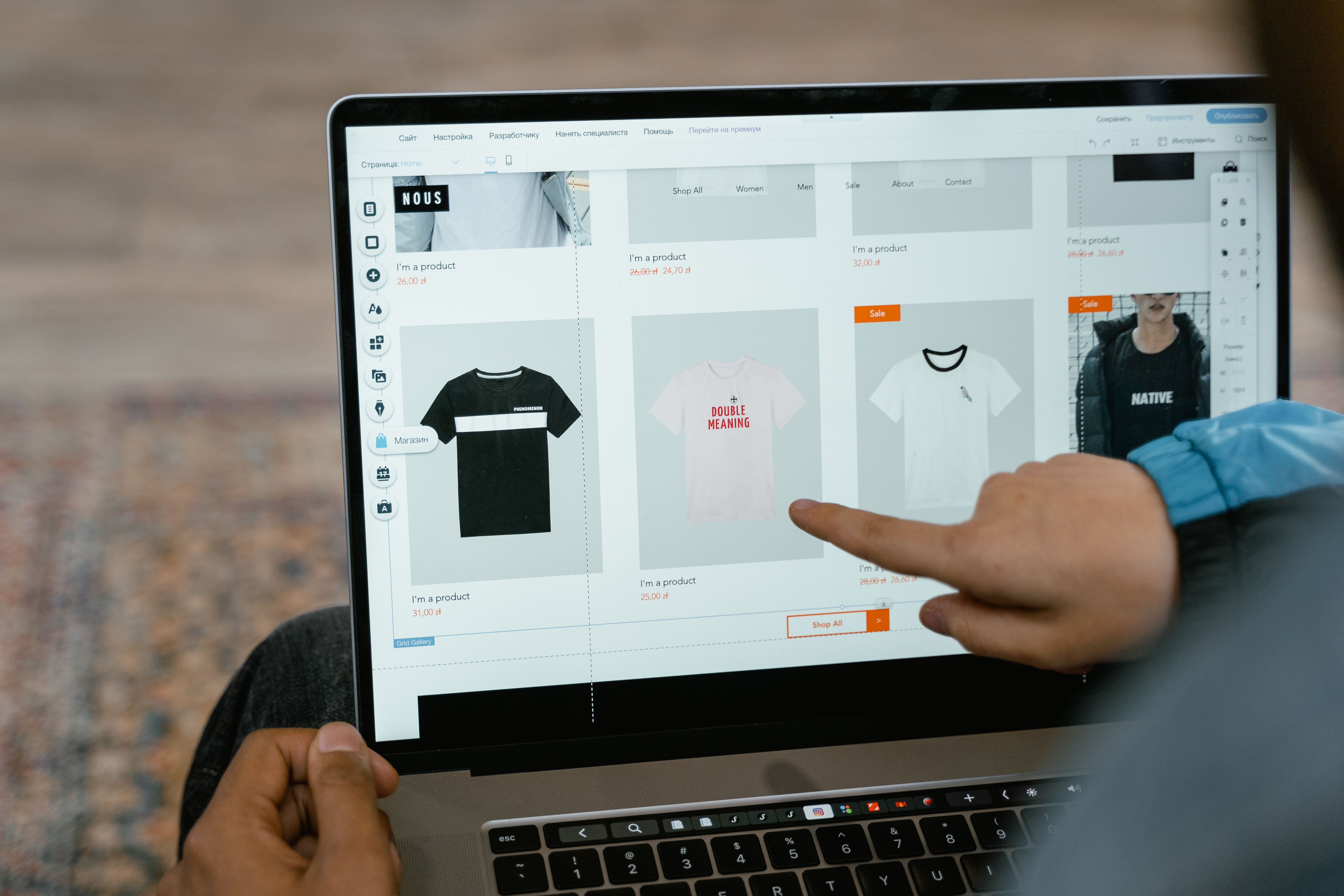

Converting first-time shoppers on e-commerce sites is one of the most challenging goals in digital marketing. New visitors frequently arrive at an online store with minimal brand familiarity, face an overwhelming product catalog, and have little patience for endless searching. Personalized product recommendations solve this by instantly surfacing items that match a shopper's explicit interests, live behavior, and current purchase readiness.
This guide examines how targeted product recommendations reduce the distance between initial discovery and first purchase across the customer journey, what customer data fuels them, where to place them, and how BlueConic orchestrates these high-converting shopping experiences in real time.
Key takeaways
- Personalized product recommendations guide new customers to relevant products without forcing them to search through your entire product catalog.
- E-commerce brands can begin tailoring experiences using anonymous session signals, then deliver increasingly relevant recommendations once those interactions attach to a known non-buyer profile.
- Combining behavioral data, contextual signals, aggregate purchase data, and zero-party customer surveys yields high-quality, conversion-ready recommendations.
- Effective recommendation strategies adapt dynamically across channels rather than repeating the same product carousels at every touchpoint.
- BlueConic helps e-commerce marketing leaders build progressive customer profiles, remove purchase barriers, coordinate real-time decisioning, and activate tailored recommendations that accelerate first purchases.
Why the first-purchase journey often stalls
Attracting new visitors to your e-commerce site is only half the battle; getting them to complete that crucial first buy is where the real work begins. When first-time shoppers arrive at your online store, they have zero brand familiarity, no past purchase history with you, and very little patience for endless searching through thousands of options. Without immediate guidance, even high-intent visitors can quickly become overwhelmed by a vast product catalog or hesitate over product fit, causing their customer journey to stall long before they reach the checkout page.
Several common friction points routinely derail the path to first buy:
- Limited brand familiarity: New visitors may not understand your specific product category options, terminology, pricing tiers, or key differentiators.
- Choice overload: Navigating a broad product catalog with dozens of similar options makes it difficult for online shoppers to make confident purchasing decisions.
- Weak product discovery: Static category page layouts, generic bestseller lists, and basic keyword search history often fail to reflect an individual shopper's active intent during a shopping session.
- Siloed consumer data: Crucial context remains trapped across website analytics, acquisition marketing campaign data, email systems, and customer relationship management (CRM) tools, preventing real-time product personalization.
- Unresolved hesitation: Uncertainty around product fit, pricing, or value prompts shoppers to delay their buying decisions and abandon the customer experience.
Every unnecessary search query, redundant page refresh, unaddressed doubt, or irrelevant suggested product creates another friction point where potential new customers abandon the session and move to a competitor.
How personalized product recommendations accelerate the first buy
Personalized product recommendations use available customer data, session signals, product attributes, and offer rules to determine which items are most relevant to an individual shopper at any given moment. Rather than relying on static merchandising alone, a site's product recommendation engine analyzes real-time user interactions alongside catalog attributes to display the most compelling options.
Modern recommendation engines evaluate multiple recommendation strategies to match customer intent:
- Content-based filtering systems: Content-based filtering focuses on recommending items by matching product attributes (such as color, style, material, or category) to the shopper's demonstrated preferences.
- Collaborative filtering systems: Collaborative filtering analyzes purchase patterns and user behavior across similar customers to suggest items that similar users or other shoppers frequently bought together.
- Hybrid recommendation systems: Combining collaborative filtering systems and content-based filtering systems with real-time machine learning models maximizes relevance and accuracy.
- Business rules and merchandising logic: Applying inventory filters, margin constraints, promotional offers, and geographic eligibility criteria ensures high-quality recommendations that align with business goals.
By narrowing a broad product catalog down to a curated selection of likely matches, personalized recommendations simplify product discovery and build buyer confidence. Presenting stated-preference matches, direct product comparisons, compatibility details, or social proof reassures shoppers right when hesitation arises.
When these tailored recommendations remain consistent across acquisition channels, your website, and follow-up emails, you eliminate unnecessary friction, improve conversion rates, and shorten the timeline to a confident first purchase.
What data powers personalized product recommendations?
Even without an established purchase history, first-time visitors generate valuable signals from the moment they land on your site. Building effective recommendation engines requires pairing customer and session signals with rich product, offer, and operational data. As you merge real-time browsing history with contextual clues and voluntarily shared consumer data, your product personalization becomes significantly more accurate.
Behavioral data
Behavioral data encompasses immediate user interactions, including product page views, category visits, search history, link clicks, items compared, time spent on specific pages, applied filters, and shopping cart additions. These actions reveal active product affinities and purchase behavior in real time. Analyzing connected and repeated user behavior sequences provides a much stronger signal of purchase readiness than an isolated click.
Contextual data
Contextual signals provide immediate relevance during an initial shopping session. Capturing the referral source, paid advertising marketing campaign, landing page context, device type, geographic location, time of day, and current page environment helps your recommendation engine infer why a visitor arrived and which product suggestions align with their immediate context.
Transactional patterns and customer profile data
While first-time buyers lack individual purchase history with your brand, aggregate transaction patterns from other customers highlight products commonly viewed or bought together by similar shoppers. Combining these macro trends with pre-purchase profile data—such as email engagement, account creation details, saved items, or customer service interactions—helps generate recommendations tailored for known non-buyers.
Zero-party data
Zero-party data consists of preferences, intentions, style choices, sizing details, and budget parameters that online shoppers intentionally share with your brand. Collecting this information through interactive customer surveys, quizzes, and preference centers gives you direct insight into customer needs. Zero-party data is particularly powerful when behavioral history or previous purchases are limited, as direct preferences bypass guesswork.
Where recommendations can shorten the path to purchase
Personalized recommendations deliver the greatest impact when integrated across the entire customer journey, well before a visitor reaches the cart page. Strategic placement allows you to address uncertainty early and guide shoppers toward suitable products.
Homepage and landing page discovery
Transform generic home page banners into dynamic product carousels based on referral campaign, geographic location, prior browsing history, or declared preferences. Whether an online store sells fashion apparel or outdoor gear, providing relevant product suggestions immediately upon arrival offers new customers a tailored starting point and delivers far higher user engagement than static best-seller displays.
Category, search, and product pages
Enhance search results and category page layouts by reordering listings based on observed user engagement, applied filters, and product affinity. On individual product pages, feature complementary products or alternative styles to help shoppers compare options. Including clear compatibility information and explanations for why a suggested product was recommended helps buyers resolve hesitation without sending them back into broad catalog searches.
Cart and checkout experiences
When a shopper adds an item to their shopping cart, treat that action as a strong signal of immediate purchase intent. On the cart page and checkout page, focus recommendations on complementary products, lower-risk add-ons, or bundle options. Keep cross-selling and additional purchases secondary to completing the primary transaction, ensuring that suggested products do not distract the buyer or create last-minute price hesitation.
Email and cross-channel follow-up
Extend personalized experiences beyond the website through browse-abandonment emails, welcome series, web push notifications, and retargeting ads. Aligning follow-up recommendations with the shopper's most recent interactions maintains cross-channel continuity. Automatically suppressing out-of-stock items, already-rejected options, or items inconsistent with declared preferences ensures a seamless customer experience.
How to personalize recommendations before a customer’s first purchase
Personalizing experiences for visitors without prior purchase data requires a progressive approach to profile building. By gradually collecting signals and connecting interactions, you can encourage customers to engage deeply and turn anonymous traffic into confident first-time buyers.
- Establish initial context: Use campaign source, geographic location, device type, and landing page content to present a relevant initial selection of products.
- Interpret real-time behavior: Track connected browsing actions, filter usage, and product category views rather than over-indexing on a single accidental click.
- Capture declared preferences: Deploy concise customer surveys, product finders, or interactive polls to let visitors explicitly state their goals, sizing, or style preferences.
- Build progressive customer profiles: Continuously update profile attributes and customer data as shoppers move across pages, sign up for email lists, save items, or revisit the store.
- Resolve customer identities: Unify anonymous session history with known profiles when visitors identify themselves via form fills or account logins, adhering to strict privacy consent guidelines.
- Evaluate the known non-buyer: Analyze the unified profile to gauge product affinity, discount sensitivity, and specific friction points preventing the first buy.
- Adapt experiences in real time: Dynamically adjust home page displays, product suggestions, and promotional messaging as customers provide stronger intent signals.
- Maintain broad flexibility: Keep initial recommendations open enough to generate recommendations that accommodate new signals as the shopper explores your catalog.
Common product recommendation mistakes
Even sophisticated recommendation strategies can underperform if implemented incorrectly. Avoid these common pitfalls when designing product recommendation engines for first-purchase experiences:
- Relying solely on global popularity: Top-selling items do not automatically match the unique preferences or price sensitivity of an individual first-time shopper.
- Overreacting to isolated interactions: Updating an entire recommendation engine based on a single page view creates jarring, irrelevant suggestions.
- Displaying static recommendations across all touchpoints: Repeating the exact same product recommendations across the home page, product pages, and emails feels unresponsive.
- Ignoring inventory and business logic: Presenting out-of-stock items, restricted products, or low-margin goods without accounting for operational rules undermines customer satisfaction and profitability.
- Exacerbating choice overload: Bombarding visitors with dozens of suggested products creates decision fatigue rather than simplifying the purchase decision.
- Neglecting testing and data governance: Failing to run controlled tests, track conversion outcomes, or respect customer consent choices reduces campaign effectiveness and compromises trust.
How to measure whether recommendations shorten the path to purchase
Evaluating product recommendations requires looking beyond simple click-through rates. To review performance in more detail and understand whether recommendations truly accelerate first purchases and increase sales, e-commerce teams should monitor a combination of conversion, efficiency, and financial metrics:
- First-purchase conversion rates: Compare conversion rates between shoppers exposed to personalized recommendations and holdout control groups.
- Time to first purchase: Measure the average number of days, sessions, or pageviews required for a new visitor to complete their initial order.
- Recommendation-assisted revenue: Track the volume of first-time orders and overall revenue directly touching a recommendation component.
- Discovery efficiency: Monitor whether shoppers require fewer site searches, category page clicks, or return sessions before adding a product to their shopping cart.
- Average order value (AOV): Evaluate average order value, average order values across segments, and increased average order value as secondary metrics to confirm that recommendations increase sales without causing basket abandonment.
- Customer retention and loyalty: Assess how first-purchase recommendations influence downstream customer loyalty, repeat purchase history, and long-term customer satisfaction.
- Segment-level performance: Breakdown performance across acquisition channels, device types, visitor categories, and product lines to refine recommendation models over time.
Note that a reduction in total session duration can actually indicate a successful outcome if shoppers are finding relevant products faster and completing checkout with fewer unnecessary steps.
How BlueConic helps brands personalize the path to first purchase
BlueConic empowers e-commerce brands to recognize known non-buyers, unify fragmented customer data, build progressive profiles, and orchestrate personalized experiences across the first-purchase journey. Rather than isolating recommendation decisions within single channels, marketing and merchandising teams can leverage continuously updated profile data to guide shoppers forward.
Key capabilities include:
- Progressive customer profiles: Unify real-time behavioral data, contextual clues, preference selections, and profile attributes into persistent customer profiles.
- Real-time profile updates: Instantly enrich customer profiles as visitors interact with your site, making fresh behavioral signals immediately available for segmentation and targeting.
- Identity resolution: Seamlessly stitch together anonymous session activity and known customer profiles across visits and devices.
- Interactive zero-party data collection: Use BlueConic Experiences to deploy customer surveys, quizzes, and product finders that capture declared customer preferences and buyer intent.
- Agentic decisioning and next best action: Utilize AI Decisioning and BlueConic AI Agents to evaluate purchase readiness, product affinity, discount sensitivity, and operational rules, automatically delivering the optimal personalized product suggestion, message, or offer.
- Cross-channel orchestration: Synchronize personalized recommendations across web, email, push messaging, advertising, and e-commerce systems.
- Continuous optimization: Feed campaign outcomes back into customer profiles to continuously refine decisioning algorithms and audience targeting.
As a core component of the BlueConic Customer Growth Engine, these capabilities allow brands to identify purchase hesitation, evaluate whether a personalized product suggestion or incentive is required, and deliver the precise shopping experiences needed to drive first-time buyer conversion.
Turn more product discovery into first purchases
Personalized product recommendations drive maximum value when they help shoppers make confident buying decisions rather than simply displaying more inventory. By converting real-time behavioral signals, contextual data, and zero-party preferences into tailored recommendations, e-commerce brands can remove purchase barriers, streamline product discovery, and build lasting customer loyalty.
BlueConic provides the customer data foundation, real-time profile management, and decisioning intelligence required to coordinate these personalized journeys across every channel.
Request a demo with BlueConic today to discover how unified customer data and real-time decisioning can transform your first-purchase conversion rates.
Frequently asked questions
What are personalized product recommendations?
Personalized product recommendations are tailored item suggestions selected for an individual shopper based on their browsing behavior, geographic location, contextual signals, profile attributes, or explicitly declared preferences. Unlike static bestseller lists, these recommendations dynamically adapt to match individual intent.
Can brands personalize recommendations for first-time visitors?
Yes. Brands can personalize recommendations for new visitors by analyzing initial referral sources, active marketing campaign context, device types, geographic location, and live session interactions. As visitors engage with interactive quizzes or identify themselves, these recommendations become increasingly accurate.
What data is used for product recommendations?
Product recommendation engines utilize behavioral data (pageviews, clicks, searches), contextual data (location, campaign, device), aggregate transaction patterns, inventory and product attributes, and zero-party data (quiz responses, stated style or size preferences).
How should brands measure recommendation performance?
Brands should measure recommendation success by evaluating first-purchase conversion rates, time or sessions to purchase, recommendation-assisted revenue, average order value, and overall customer retention compared to non-exposed control groups.
