
How to Choose a Loyalty Program Platform
Learn how to choose the right loyalty program platform by comparing features, integrations, data capabilities, rewards, reporting, and vendor fit.
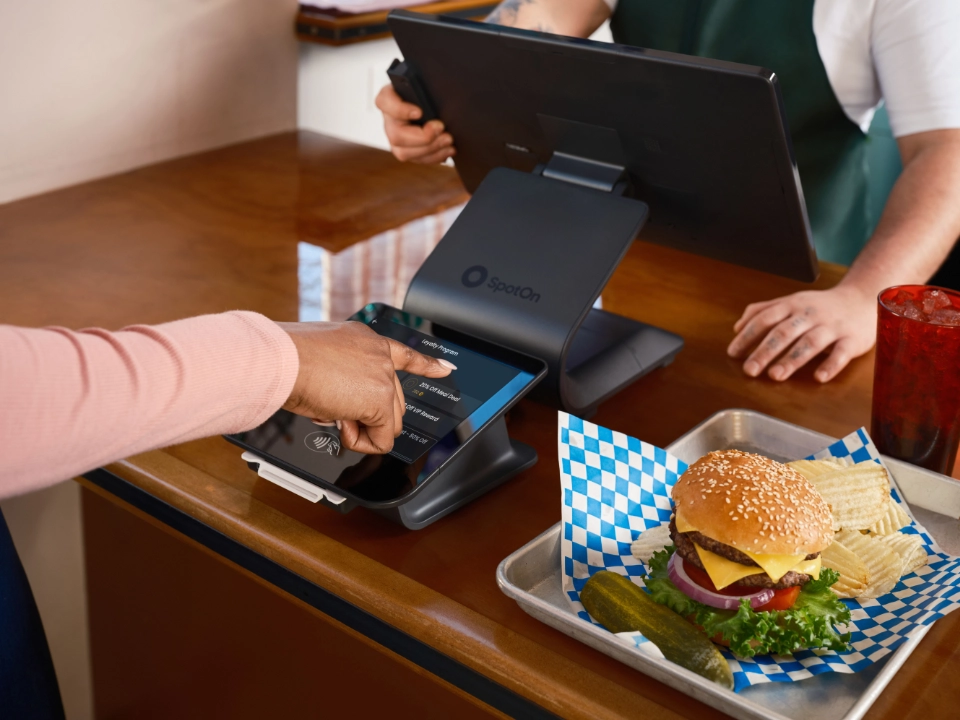

When you select the platform to run your customer loyalty programs, you are doing more than buying software to hand out points and rewards. You are choosing the central system that connects customer behavior, purchase history, and direct preferences to build lasting customer relationships. This guide walks you through the different platform options, key features, and evaluation criteria to help you find the perfect partner for your business goals.
Key takeaways
- Choosing the best loyalty program software depends on your business goals, operational complexity, and how you want to manage customer data.
- Focusing on customer retention and increasing customer lifetime value is often the most effective way to lower overall customer acquisition costs.
- Different loyalty solutions serve different needs, ranging from lightweight e-commerce apps to enterprise loyalty platforms and advanced customer data platforms.
- Modern omnichannel customer engagement requires a loyalty strategy that moves beyond traditional loyalty methods like basic discounts.
What is a loyalty program platform?
A customer loyalty platform is the software that powers your rewards, tiers, customer referrals, and member experiences. For years, businesses treated these tools like basic digital ledger books. Modern customer loyalty software, however, acts as a critical engagement engine within your marketing technology stack, helping you manage loyalty programs with ease.
Loyalty program software helps you stay connected with your repeat customers by recognizing and rewarding their continued engagement. When this loyalty experience is done right, it enables points-based programs in which customers earn points and redeem rewards effortlessly, naturally increasing customer retention and driving repeat purchases. It also acts as an incredible source of zero-party and first-party customer data. When loyalty members share their interests, needs, and habits in exchange for exclusive rewards or early access, they give you the exact insights you need to meet changing customer expectations.
Types of loyalty program platforms
Before diving into vendor features, it helps to understand the different kinds of solutions on the market. Each category serves a different scale, budget, and business model.
- Dedicated loyalty platforms: These platforms are built specifically to handle complex reward logic, multi-tier referral programs, and gamification. They are a great fit for brands looking for robust enterprise loyalty features and highly customized loyalty campaigns.
- E-commerce loyalty apps: These are lightweight, plug-and-play tools designed for quick setup on platforms like Shopify or BigCommerce. They are best for mid-market online stores looking to quickly reward customers, set up basic referral programs, or work with a standard loyalty partner like Loyalty Lion.
- Promotion and offer engines: This type of loyalty program software focuses heavily on distributing coupons, dynamic discounts, and promotional logic. Choose this type if you want to run high-volume, incentive-based campaigns without launching a full-scale loyalty strategy.
- Managed-service loyalty providers: These vendors combine their platform technology with strategic consulting, creative support, and daily program management. They are ideal for brands that want to run a program but lack the internal team to manage it.
- Customer growth platforms: These solutions unify loyalty data with behavioral, transactional, and offline data to enable real-time personalization. They do not replace your rewards engine. Instead, they act as a central hub that links your loyalty program directly to your website, email, ads, and help desk.
Start with your loyalty program goals
Your choice of loyalty program platform should be driven directly by the business outcomes you want to achieve. Since different platforms specialize in encouraging different customer behaviors, defining your priorities early will help you select the right loyalty program software.
- Encourage repeat purchases: If you want more frequent orders from repeat customers, look for features such as automated replenishment reminders, post-purchase follow-ups, and personalized milestone rewards to motivate them.
- Increase customer retention: To keep customers from slipping away, prioritize smart customer segmentation tools that flag declining engagement and trigger automated winback campaigns.
- Increase customer lifetime value: Focus on platforms that make it easy to identify your most loyal and high-value customers and to deliver exclusive rewards, VIP events, or early access opportunities.
- Drive loyalty enrollment: Ensure the platform offers low-friction signup flows, progressive profiling, and engaging on-site prompts to convert casual visitors into registered loyalty members.
- Move members into higher-value tiers: Select a tool that supports clear tier logic, displays loyalty status updates clearly to users, and automatically alerts members when they are close to moving up.
- Collect better customer data: If you want to build richer customer segments, evaluate how easily the software captures direct customer preferences and user-generated content (like reviews and social shares) in exchange for points.
- Personalize the broader customer experience: If you want loyalty insights to shape the entire customer journey, choose a system that feeds data directly to your website, email campaigns, paid ads, and service portals.
What to look for in a loyalty program platform
The right loyalty program software is not necessarily the one with the most bells and whistles. It is the one that best aligns with your team's day-to-day workflow, your data strategy, and your customer expectations. To find the right fit, evaluate your options across several core areas.
Program flexibility and reward design
Your platform should give you the creative freedom to build a program that matches your unique brand voice. Look for a system that supports multiple structures, including points and tiers, VIP perks, paid subscriptions, and advocate referrals.
Setting up earning rules and redemption paths should be simple for your marketing team. You should be able to run double-points weekends for specific collections or offer experiential rewards, such as early access to new products, private styling sessions, or rewards tied to social media channels. Make sure the software can also handle flexible expiration schedules and send helpful status nudges to keep customers engaged.
Personalization and customer data integration
To make your program successful, you need to go beyond transactional loyalty. Your customer loyalty software must help you target specific customer groups and tailor your messaging based on real-time behavior, purchase history, and declared preferences.
This requires your loyalty platform to communicate easily with the rest of your tech stack. Connecting your loyalty engine to your other marketing tools lets you build unified customer profiles. Your team can then segment customers by their favorite categories or current tier, ensuring they receive highly relevant recommendations instead of generic blast emails.
Omnichannel activation and tech stack fit
Your customers do not think about channels; they just see your brand. They expect seamless omnichannel customer engagement, whether they are browsing your website, opening a mobile app, reading an email, or standing in a physical retail store.
Ensure your loyalty platform integrates seamlessly with your point-of-sale (POS) terminals, email service providers (ESPs), marketing automation tools, and customer relationship management (CRM) tools. Your marketing team should be able to launch campaigns across both digital and physical touchpoints without manual workarounds. If a customer unlocks a reward on their phone, they should be able to use it at a physical register immediately.
Reporting, measurement, and optimization
You cannot run a great loyalty program in the dark. Your team needs clean, visual dashboards that track key health metrics at a glance.
You should be able to track active member rates, reward redemptions, average order values, and overall program return on investment. In addition to these stats, look for diagnostic reports that help you spot where members tend to drop out, which rewards drive the most action, and which segments generate the highest incremental revenue.
Scalability, security, and privacy
As your business grows, your software needs to grow with you. Make sure the platform can handle peak shopping traffic, support multiple brands, and adapt to international markets.
Data privacy is non-negotiable. The platform must provide solid consent management tools, role-based user access, and full compliance with modern data laws. Your IT and security teams will want to review how the platform secures customer data, handles APIs, and protects consumer trust.
Pricing, implementation, and vendor support
Always calculate the total cost of ownership before signing a contract. Be sure to look past the monthly software fee to check for implementation fees, custom development costs, and charges based on user volume or transaction limits.
Ask prospective vendors about their onboarding timelines, data migration support, and training resources. Also, pay attention to the level of ongoing customer support they provide. Having access to responsive technical support and a library of self-serve documentation can save your team hours of frustration down the road.
Questions to ask before choosing a loyalty platform
To run a successful business, you must continuously find meaningful ways to engage customers. Use these practical, evaluation-ready questions to guide your conversations with potential vendors, align your internal stakeholders, and ensure you select a platform that fits your operational needs:
Program strategy questions
- Which program styles can this software natively support without requiring custom code?
- How easy is it for our team to build, test, and update rewards, tiers, or seasonal promos?
- Can we build experiential rewards, refer-a-friend flows, and social sharing incentives across social media?
Data and personalization questions
- How does this platform combine online and offline customer activity into one profile?
- Can we easily collect declared customer preferences using interactive quizzes, forms, or polls?
- How does this loyalty data flow back into our core customer database?
- Can we segment customers and target specific customer groups based on their buying history or tier level?
Channel and integration questions
- Does this tool integrate directly with our current e-commerce engine, email tools, and store registers?
- Is the platform built with an API-first approach to support our future marketing tools?
- How quickly do point balances and reward updates sync across our physical and digital stores?
Measurement and optimization questions
- What built-in performance dashboards are ready for our marketing and finance teams to use?
- Can our marketers build custom audience lists and run reports without waiting for data analysts?
- How does the platform help us identify customers who are losing interest so we can win them back?
Implementation and support questions
- What does the typical migration and setup process look like for a business of our size?
- What user training, strategic advice, and technical support are included in our plan?
- Can our marketing team run everyday campaigns independently once the system is live?
Common mistakes to avoid when evaluating loyalty platforms
Selecting a new platform is a major decision. Avoid these common missteps to make sure you get the best possible return on your investment.
- Buying based on rewards logic alone: Do not choose a platform just because it has a complex points calculator. If the system cannot easily share data with the rest of your stack, you will struggle to build personalized journeys.
- Ignoring customer data quality: If your customer data is messy, outdated, or trapped in separate databases, your loyalty platform will not work as intended. Get your data unified first to set yourself up for success.
- Ignoring physical store needs: Do not select a tool that works wonderfully for online sales but fails to connect with your physical stores or customer service desk. The experience must feel unified wherever a customer interacts with you.
- Underestimating setup time and resources: Do not expect a new platform to go live instantly. Give your team enough time for data cleanups, tech integrations, design testing, and training.
- Leaving IT and security out of the loop: Keep your technical, data, and compliance teams involved from day one. They are essential for checking data privacy rules, platform permissions, and integration safety.
- Relying solely on discounts: A great loyalty program should build real brand affinity. Avoid platforms that force you into a cycle of constant price slashing, which can teach your customers to buy only when there is a coupon code.
- Failing to set clear benchmarks: If you do not know which business numbers you need to shift, you cannot pick the right software. Establish your baseline retention and purchase frequency metrics before you start demoing products.
How BlueConic helps brands get more value from loyalty data
A loyalty program should do more than track points, tiers, and rewards. It should help you recognize when customers are ready to take the next step and respond with the right message, offer, or experience.
BlueConic is not a replacement for your loyalty platform or rewards engine. Instead, it works alongside your existing loyalty initiatives, adding an intelligence and activation layer that connects loyalty data with real-time customer behavior.
BlueConic helps brands strengthen loyalty progression by:
- Building real-time loyalty profiles: BlueConic brings loyalty data, such as points balance, tier status, reward history, and program engagement, into a unified customer profile alongside browsing behavior, purchase history, preferences, and predicted customer value.
- Identifying tier progression opportunities: BlueConic can identify members who are close to reaching the next loyalty tier and likely to respond to a prompt, helping brands act while customers are actively browsing, engaging, or showing purchase intent.
- Activating personalized prompts: BlueConic helps deliver relevant progress reminders, product recommendations, double-points offers, exclusive access messages, or tier recognition across channels using the same customer profile.
- Giving marketers control: Marketing teams can define which tiers, thresholds, products, channels, frequency limits, and incentive rules apply, while BlueConic automates targeting and activation within those guardrails.
- Improving over time: As members respond, advance tiers, ignore prompts, or convert through different channels, BlueConic uses those outcomes to improve targeting, incentives, and timing.
For brands evaluating loyalty program software, BlueConic is especially valuable when the goal is not just to manage a program, but to make loyalty data more actionable across the broader customer experience.
Choosing the right loyalty platform for your business
The best loyalty platform is simply the one that fits your brand's resources, technical setup, and strategic vision.
The right platform should help you do far more than manage points. It should give you the power to recognize recurring and new customers, understand what they love, and deliver the incredible experiences that keep them coming back for years.
Ready to turn your loyalty data into personalized customer experiences? Request a demo with BlueConic today to see how we help brands unify customer data, activate real-time insights, and build stronger customer relationships.
Frequently asked questions
What is the difference between a loyalty platform and a loyalty app?
Loyalty apps are usually basic, plug-and-play tools designed to quickly set up standard points and referral programs on digital storefronts. Loyalty platforms offer deeper enterprise-grade features, supporting intricate earning logic, omnichannel system integrations, complex reporting, and deep personalization across both physical stores and digital channels.
What features should a loyalty program platform have?
Look for a platform that offers design flexibility, point and tier customization, referral tracking, and experiential reward options. It should also include seamless integrations, real-time personalization, cross-channel publishing, clean performance reports, and strong security controls.
How do you compare loyalty platform vendors?
Focus on how well each vendor's capabilities match your business goals and existing tech stack. Compare implementation timelines, total cost of ownership, user interface ease of use, and support options. The best choice is always the one that fits into your team's actual daily workflow, not just the one with the biggest list of features.
Do you need a CDP for a loyalty program?
No, a CDP is not required for a simple points-and-rewards program. However, a CDP becomes extremely valuable when you want to connect loyalty behaviors with other customer activities, capture rich zero-party data, and use those insights to deliver personalized experiences across your entire marketing, sales, and service channels.
How much does a loyalty program platform cost?
Costs vary widely depending on your customer volume, transaction counts, integration complexity, and support level. Total expenses usually include initial setup fees, annual software licenses, custom development charges, and support fees. Be sure to look at the total cost of ownership rather than just the base software price.
